
Ecosystem Services: Bridging Biodiversity, Climate, and Human Well-being
Every day, we depend on nature in some way or another, often without realizing it. The water we drink, the food we eat, the air we breathe, and even the stability of our climate are supported by healthy ecosystems. These benefits, known as ecosystem services, form the foundation of human well-being and economic development. As climate change, biodiversity loss, and land degradation continue to threaten natural systems, understanding and protecting ecosystem services has become more important than ever. Strengthening ecosystem restoration, promoting sustainable land-use practices, integrating ecosystem services into development planning, and encouraging community participation can help secure these benefits for both people and nature.
The benefits that nature provides can be understood through four broad types of ecosystem services, each playing a unique role in supporting our lives: Provisioning services, Regulating services, Cultural services, and Supporting services.
Our everyday lives are deeply connected to the resources that healthy ecosystems provide. The rice, vegetables, fruits, milk, and freshwater we consume, the cotton that becomes our clothes, the timber used for our furniture, the paper we write on, the fuelwood that cooks meals in many rural households, and the medicinal plants that form the basis of many traditional and modern medicines all come from the ecosystems around us. Even products such as honey, bamboo, natural fibres, resins, and other non-timber forest products are gifts of nature that support millions of livelihoods around the world. These tangible resources that ecosystems provide are known as Provisioning services. They form the foundation of food security, livelihoods, economic development, and human well-being, particularly for rural and forest-dependent communities who depend directly on nature for their livelihoods and survival.
Nature works continuously behind the scenes to keep our environment balanced. Forests help capture and store carbon. Bees, butterflies, and other pollinators ensure that many of the fruits, vegetables, and crops we rely on can grow successfully. These functions are known as regulating services. By regulating climate, water quality, soil fertility, pollination, and pests and diseases, ecosystems help maintain environmental balance.
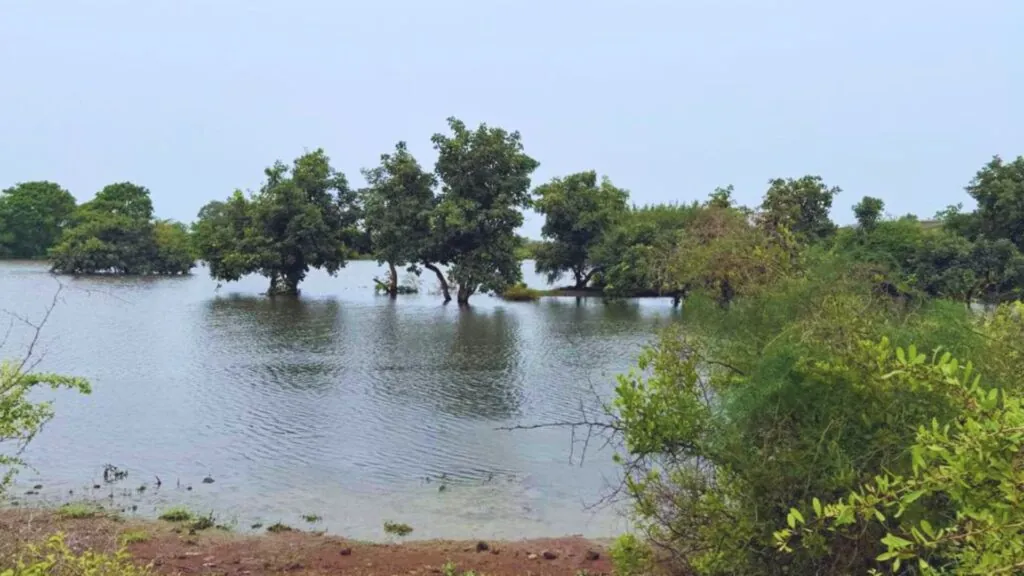
After a busy day, many of us visit a nearby park, take a walk through a forest, sit by a river, or simply enjoy the calm view of the mountains. These experiences help our bodies and minds relax, reduce stress, and feel refreshed. Natural ecosystems give us an opportunity to slow down and reconnect with ourselves. For many people, forests, rivers, mountains, and lakes are sacred places. They are places where people pray, watch birds in wetlands, trek through national parks, observe wildlife, or simply enjoy the sunset. These experiences strengthen our connection with nature and remind us that it supports not only our physical needs but also our happiness, culture, and spiritual well-being.These are examples of cultural ecosystem services. Cultural ecosystem services provide non-material benefits such as spiritual or religious benefits, recreation, tourism, education, a sense of place, and cultural heritage.

Beneath every thriving forest, flowing river, and productive farmland lies a network of natural processes that keeps ecosystems functioning. Nutrients are continuously recycled through the soil, plants capture sunlight and convert it into energy, and diverse habitats provide shelter for countless species. Together, these processes maintain biodiversity and allow ecosystems to remain healthy and resilient over time. These essential ecological functions are known as Supporting services. Although these processes are largely invisible, they strengthen all other ecosystem services, ensuring that nature can continue providing food, clean water, climate regulation, and countless other benefits that sustain life on Earth.
As ecosystems continue to face increasing pressure from pollution, unsustainable land use, and climate change, the services they provide are becoming increasingly vulnerable. Therefore, integrating ecosystem services into development planning has become very important. Whether planning infrastructure, restoring degraded landscapes, expanding agriculture, managing forests, or shaping climate policies, decision-makers must consider nature’s contributions alongside economic and social objectives. This approach helps maximize long-term benefits, reduce environmental risks, and ensure that development is both inclusive and sustainable. Through the GIZ RECAP4NDC project, India is strengthening the implementation of its Nationally Determined Contributions (NDCs) by promoting Forest Landscape Restoration (FLR) and Trees Outside Forests (TOF). The project supports integrated landscape planning, financing, implementation, monitoring, and ecosystem service assessments to restore degraded landscapes, enhance climate resilience, improve livelihoods, and increase carbon sequestration. By restoring the landscapes and benefiting nearly 10 million people by 2029, RECAP4NDC contributes to India’s climate, biodiversity and sustainable development goals while creating a scalable model for achieving long-term NDC commitments.
Ultimately, investing in ecosystem services is an investment in our collective future. By working with nature, we can build more productive landscapes and communities that are more resilient and better equipped to meet the challenges of a changing world. To derive these benefits on a large scale, it is necessary to integrate ecosystem services into policy, planning for development, and land restoration projects. Understanding and valuing nature’s contributions in decision-making will not only facilitate sustainable development but will also improve climate change adaptation and conservation of biological diversity.
What separates a good ARR project from a great one comes down to the questions buyers are willing to ask — Who owns the land? How are community benefits structured? Is there a real livelihood component built in? What is the implementation partner’s track record? Asking these questions doesn’t slow down the market. It strengthens it and ensures that the projects doing the work right get the recognition and investment they deserve.