
The Cheapest Carbon Removal is the one you commit to early
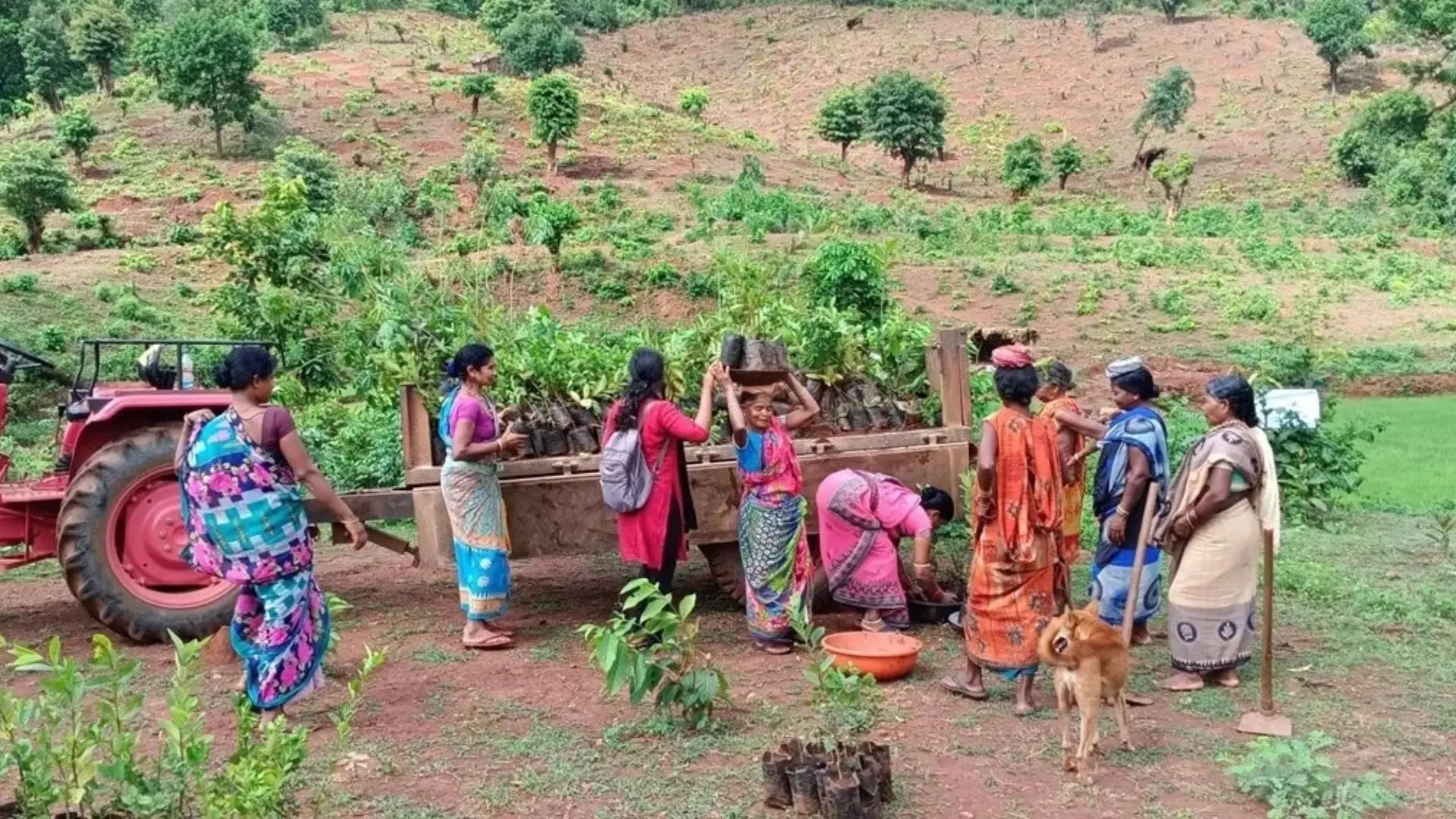
A sustainability head asked me a simple question over coffee last month: "Jasmeet, what's the cheapest credible carbon removal I can buy?"
I gave her the honest answer, which isn't the one people usually want: it depends less on what you buy and more on when you start.
Let me explain what I mean.
Engineered removals are impressive, and I’m glad they exist. But at today's prices, most companies can only buy them in small quantities. Biochar also raises a question I can't shake: are we making biochar because the soil needs it, or are we making it for the credits and then looking for somewhere to put it? I’ll come back to this in another post.
That leaves us with NBS, or nature-based solutions. Soil carbon gets a lot of attention, but its durability remains unresolved. Anyone who has tried to measure soil carbon across thousands of smallholder plots under current methodologies knows how messy it gets.
ARR, which covers afforestation, reforestation and revegetation, is the pathway that holds up when I look at it on both technical and financial grounds. If I had to pick one removal category to double down on, it would be ARR.
Trees that start from zero
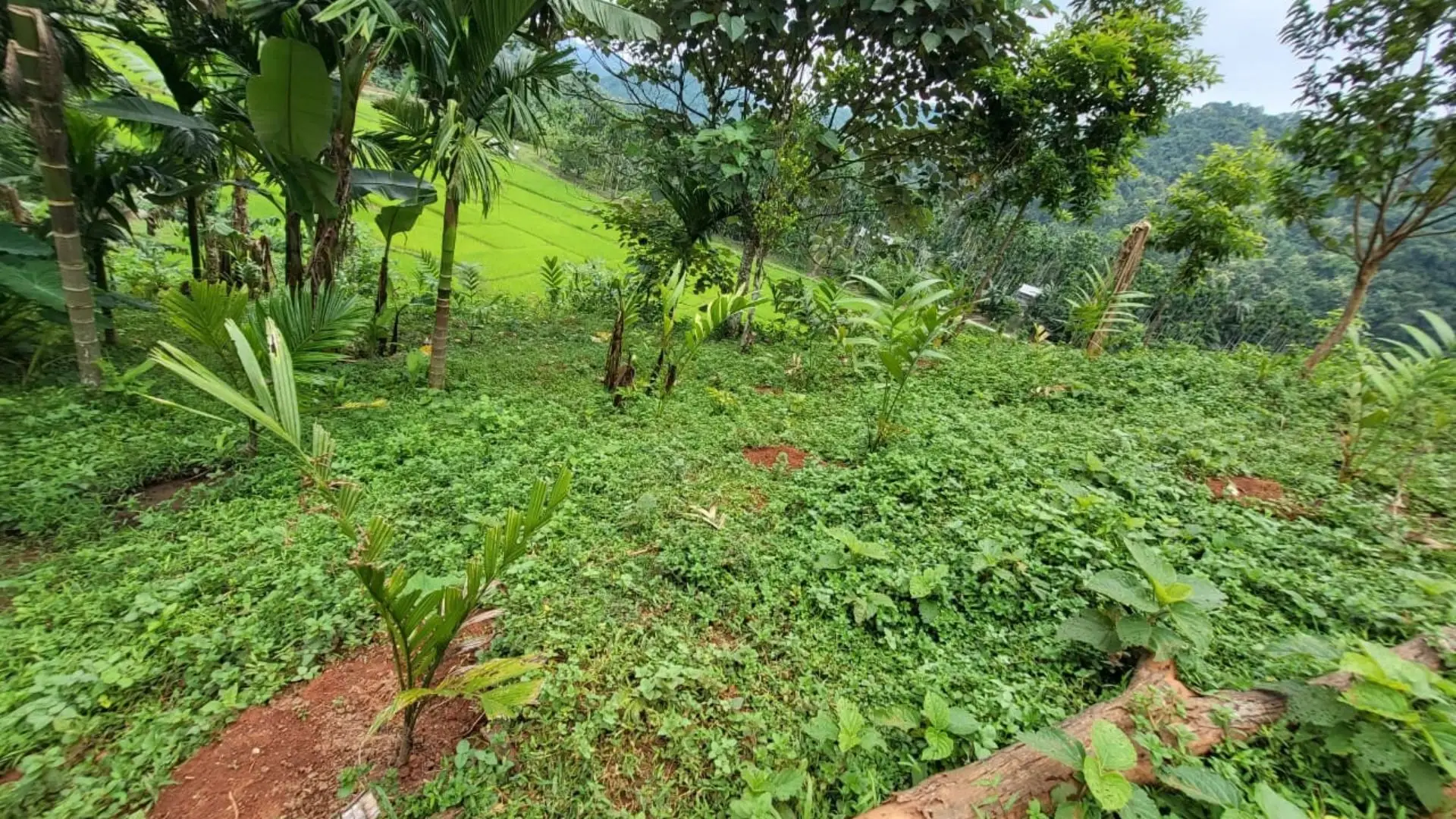
We have spent many years planting trees with communities in India, Nepal and East Asia. The biggest thing I have learned is that good ARR projects aren't really carbon projects. They are livelihood projects that also happen to remove carbon.
There's a lot of land in the world that nobody farms. Sometimes there's no road. Sometimes there's no capital to get started. Sometimes the soil simply won't cooperate because of overuse of fertiliser in the past. On that kind of land, trees don't take anything away from food production. They start an income where there wasn't one.
This is where the biochar question comes back. If we ask farmers to give up productive cropland for trees, it won't work, and it shouldn't. Food comes first. But if we choose land that sits idle, the economics become very attractive for everyone involved.
I have seen families whose income didn't go up by just a few percent but increased significantly because of the agriproduce instead of carbon credits. They started from nothing. A carbon certificate will never justify what that income from produce means to the farmers.
So why isn't everyone doing this?
From a buyer's point of view, ARR looks like an easy decision. It's the cheaper removal option, the co-benefits are real, and it's an easy story to explain to a board.
The problem is time. With policy shifting and markets as volatile as they are, most corporate buyers have shortened their horizons to spot purchases or one-to-three-year offtakes. Very few are willing to commit beyond three years.
Trees don't fit that schedule. A project needs years of planting, survival checks and growth before it sees its first verification. Most investors want their money back within an 8–12-year fund cycle. Corporates want flexibility. The project sits between the two, waiting for patient capital that neither side quite wants to provide.
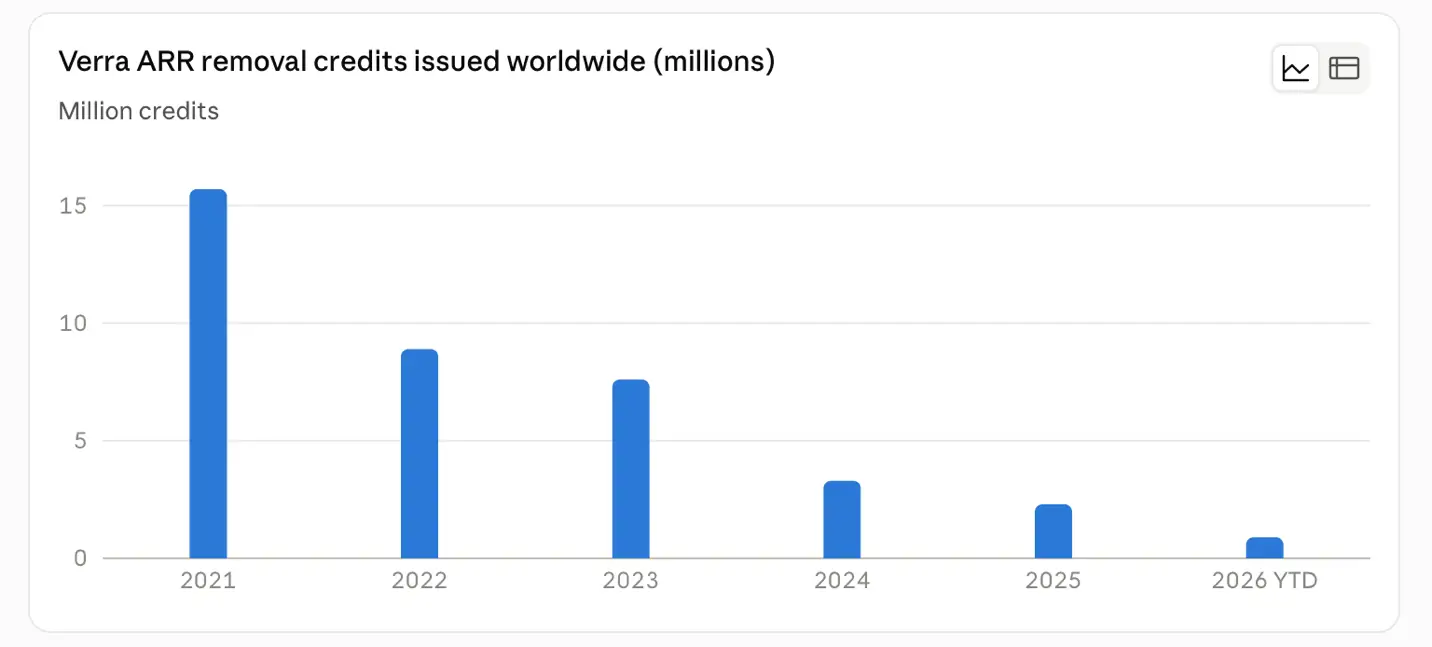
I wanted to check whether this was just my view from the field or a pattern in the data. So I spent a weekend going through Verra's registry, which holds more ARR projects and credits than any other.
I expected to see growth. I didn't.
What this means for your budget
People often ask me what spot ARR removal costs today. Good-quality ARR credits can sell for close to USD 80-90. That's not necessarily because they cost that much to produce. It's because there are so few of them. (We could debate the definition of "quality" for six months, and by the time we agreed, the market would have set a new benchmark.)
That leads to a simple rule of thumb.
If your removal budget is around USD 100 a tonne and rising each year, you will manage. You can buy mostly engineered removals and add some NBS on top.
If your blended budget is closer to USD 50-60 a tonne, starting early is your only real option. That means committing to projects while they are still in their early phases, when your money actually goes into getting trees in the ground. If you wait for issued credits, you will be competing with every other buyer for the same small spot supply, and you will end up paying close to engineered prices. You will either miss your target or go over budget.
ARR is the cheapest route to net zero, but only for buyers who commit before the trees get planted.
If you are working out your 2030 removal plan and the numbers don't add up, there is a need to revisit the carbon category or time horizon. The market needs more buyers who think in decades rather than quarters, and so do the families and owners of fallow land who are waiting to get started.